Tuesday, March 29, 2011
Gorillas Going Green
Researchers at Case Western Reserve University and the Cleveland Metroparks Zoo are adjusting gorilla diets in an effort to understand and treat cardiac issues in the animals.
Look what happens when the gorillas are allowed to eat their natural diet! Now if we just can end this low-fat, high carbohydrate experiment in which we are the guinea pigs and get on with a proper omnivorous diet we should end up a lot better for it!
http://hunter-gatherer.com/blog/health-problems-disappear-when-captive-gorillas-fed-wild-diet

Friday, March 25, 2011

Sunday, March 13, 2011
RKC Snatch Test 1 3 13 11
The goal is 100 reps within 5 minutes. This is 24kg (~53#). My first attempt.
Thursday, March 10, 2011

Wednesday, March 2, 2011
Reverse Magazine: Woman Are Wrong About Fat Loss and Fitness
Reverse Magazine: Woman Are Wrong About Fat Loss and Fitness: " The Dirty Dozen Mistakes Women Make The female population has tremendous leverage in the marketplace. Anyone in advertisin..."
Army's new fitness tests add taste of battlefield
http://news.yahoo.com/s/ap/us_army_new_fitness_test
FORT JACKSON, S.C. – Sit-ups don't make a soldier, the Army has decided. So its 30-year-old fitness requirements are getting a battlefield-inspired makeover.
Soon every soldier will have to run on a balance beam with two 30-pound canisters of ammunition, drag a sled weighted with 180 pounds of sandbags and vault over obstacles while carrying a rifle. Those were just some of the tests the Army unveiled Tuesday as it moves toward making its physical training look more like combat.
Right now soldiers have to complete sit-ups, push-ups and a two-mile run twice a year within times that vary by age and gender. Lt. Gen. Mark Hertling, the general in charge of the Army's initial military training, said he has been working to change that test for years.
Hertling said the current test "does not adequately measure components of strength, endurance, or mobility," or predict how well a soldier would do under fire.
A new annual "combat readiness" test includes running 400 meters — about a quarter of a mile — with a rifle, moving through an obstacle course in full combat gear, and crawling and vaulting over obstacles while aiming a rifle. Soldiers also will have to run on a balance beam while carrying 30-pound ammo boxes and do an agility sprint around a course field of cones.
Soldiers also will have to drag sleds weighted with sandbags to test their ability to pull a fallen comrade from the battlefield. The combat test might be given before deployments as well as annually, but that has not been decided.
The Army will keep elements of its old assessment in a "physical readiness" test, which adds such things as a 60-yard shuttle run and a standing long jump to one minute of push-ups and a 1.5-mile timed run. This might be given every six months, said Frank Palkoska, head of the Army's Fitness School at Fort Jackson.
Hertling said trials of the new program are starting this month at eight bases and the plan could be adopted Army-wide after reviews later this year.
Soldiers who ran the proposed "combat readiness" portion of the test Tuesday told reporters the exercises were tough, even for combat veterans.
Wearing a battle helmet and carrying a rifle, Staff Sgt. Timothy Shoenfelt teetered as he trod the balance beam, holding ammo tins in each hand. His pace slowed a bit as he dragged the green sled behind him, then held his M-4 steady as he strode sideways through the "point-move-aim" portion of the test.
"My quads are on fire!" the 31-year-old from Indiana, Pa., said afterward. "It really made me breathe hard and challenged a lot of muscle groups."
Wheeled vehicle mechanic and Sgt. 1st Class Cornelius Trammell, 33, of Eufaula, Ala., said it will be important for all soldiers to go through tests, even if their jobs are behind desks. He laughed when reporters commented on his sweaty face.
"You never know when you might need it, whether you are in the infantry or if you're a mechanic," said Trammell, who's been deployed three times.
The tests will be given to all soldiers and officers, including Army Reserves and National Guard, even those recalled soldiers who are now over 60, officials said. Specific gender and age standards are still being worked out, Palkoska said.
The shift follows other Army efforts to overhaul training, improve diets and help older soldiers keep fit. Hertling said the Army is trying to better prepare soldiers for the 40 to 70 pounds of weapons and body armor many of them need to carry in Afghanistan and Iraq.
"Soldiers like to be challenged. This will definitely challenge them," Hertling said.
The Army also is hoping to reduce injuries — both in the field and from repetitive exercises.
"This is about training smarter, not just training more," Hertling said.
Staff Sgt. Danica Foster, 28, of Brooklyn, N.Y., who pumped through a shuttle run and did push-ups for the "physical readiness" section, said the new tests will require soldiers to work on their upper body strength.
Female soldiers will have to work to get them done, she said.
"I honestly believe, though, that if I can do this, anybody can," she said with a laugh.
Besides Fort Jackson, the program will be tested at Fort Leonard Wood, Mo.; Fort Benning, Ga.; Fort Sill, Okla.; Fort Bliss, Texas; Fort Bragg, N.C.; Fort Lewis, Wash.; and at the Army's military academy at West Point.
FORT JACKSON, S.C. – Sit-ups don't make a soldier, the Army has decided. So its 30-year-old fitness requirements are getting a battlefield-inspired makeover.
Soon every soldier will have to run on a balance beam with two 30-pound canisters of ammunition, drag a sled weighted with 180 pounds of sandbags and vault over obstacles while carrying a rifle. Those were just some of the tests the Army unveiled Tuesday as it moves toward making its physical training look more like combat.
Right now soldiers have to complete sit-ups, push-ups and a two-mile run twice a year within times that vary by age and gender. Lt. Gen. Mark Hertling, the general in charge of the Army's initial military training, said he has been working to change that test for years.
Hertling said the current test "does not adequately measure components of strength, endurance, or mobility," or predict how well a soldier would do under fire.
A new annual "combat readiness" test includes running 400 meters — about a quarter of a mile — with a rifle, moving through an obstacle course in full combat gear, and crawling and vaulting over obstacles while aiming a rifle. Soldiers also will have to run on a balance beam while carrying 30-pound ammo boxes and do an agility sprint around a course field of cones.
Soldiers also will have to drag sleds weighted with sandbags to test their ability to pull a fallen comrade from the battlefield. The combat test might be given before deployments as well as annually, but that has not been decided.
The Army will keep elements of its old assessment in a "physical readiness" test, which adds such things as a 60-yard shuttle run and a standing long jump to one minute of push-ups and a 1.5-mile timed run. This might be given every six months, said Frank Palkoska, head of the Army's Fitness School at Fort Jackson.
Hertling said trials of the new program are starting this month at eight bases and the plan could be adopted Army-wide after reviews later this year.
Soldiers who ran the proposed "combat readiness" portion of the test Tuesday told reporters the exercises were tough, even for combat veterans.
Wearing a battle helmet and carrying a rifle, Staff Sgt. Timothy Shoenfelt teetered as he trod the balance beam, holding ammo tins in each hand. His pace slowed a bit as he dragged the green sled behind him, then held his M-4 steady as he strode sideways through the "point-move-aim" portion of the test.
"My quads are on fire!" the 31-year-old from Indiana, Pa., said afterward. "It really made me breathe hard and challenged a lot of muscle groups."
Wheeled vehicle mechanic and Sgt. 1st Class Cornelius Trammell, 33, of Eufaula, Ala., said it will be important for all soldiers to go through tests, even if their jobs are behind desks. He laughed when reporters commented on his sweaty face.
"You never know when you might need it, whether you are in the infantry or if you're a mechanic," said Trammell, who's been deployed three times.
The tests will be given to all soldiers and officers, including Army Reserves and National Guard, even those recalled soldiers who are now over 60, officials said. Specific gender and age standards are still being worked out, Palkoska said.
The shift follows other Army efforts to overhaul training, improve diets and help older soldiers keep fit. Hertling said the Army is trying to better prepare soldiers for the 40 to 70 pounds of weapons and body armor many of them need to carry in Afghanistan and Iraq.
"Soldiers like to be challenged. This will definitely challenge them," Hertling said.
The Army also is hoping to reduce injuries — both in the field and from repetitive exercises.
"This is about training smarter, not just training more," Hertling said.
Staff Sgt. Danica Foster, 28, of Brooklyn, N.Y., who pumped through a shuttle run and did push-ups for the "physical readiness" section, said the new tests will require soldiers to work on their upper body strength.
Female soldiers will have to work to get them done, she said.
"I honestly believe, though, that if I can do this, anybody can," she said with a laugh.
Besides Fort Jackson, the program will be tested at Fort Leonard Wood, Mo.; Fort Benning, Ga.; Fort Sill, Okla.; Fort Bliss, Texas; Fort Bragg, N.C.; Fort Lewis, Wash.; and at the Army's military academy at West Point.
Saturday, February 26, 2011
Wednesday, February 23, 2011
Friday, February 18, 2011
Press Release-Highest Rates of Physical Inactivity
CDC-Reports on Physical Inactivity
"Areas where residents are most likely to be active in their free time are the West Coast, Colorado, Minnesota and parts of the Northeast."
"States where residents are the least likely to be physically active during leisure time are Alabama, Kentucky, Louisiana, Mississippi, Oklahoma and Tennessee. In those states, physical inactivity rates are 29.2 percent or greater for more than 70 percent of the counties."
"Physical activity is crucial to managing diabetes and reducing serious complications of the disease,"
Interactive map: Centers for Disease Control and Prevention
(you can break it down by state and county to see how your area)
County Level Estimates of Leisure-Time Physical Inactivity — U.S. Maps
2008 Age-Adjusted Estimates of the Percentage of Adults† Who Are Physically Inactive


Available online at: http://apps.nccd.cdc.gov/DDTSTRS/default.aspx. Retrieved 2/18/2011.
Tuesday, February 15, 2011
"Weightlifting can be helpful for obese kids" and “Hey, That’s Exercise!” (Actually, It Might Not Be.)

In-Your-Face Fitness: Weightlifting can be helpful for obese kids - latimes.com
I love how this article brings weightlifting into the light for obese kids. It not only benefits obese children, but adults too!

“Hey, That’s Exercise!” (Actually, It Might Not Be.)
Here is an article that discusses what you may think is exercise, but actually isn't. Yes, moving is something over nothing, but picking up heavy things is just better!
Monday, February 14, 2011
Stick figure Heros!

This first sheet is a compilation of exercises that will help you move from a sedentary state to leading a more active lifestyle. These exercises will promote balance, flexibility, coordination, and an emphasis on core strength.

This second set of exercises are the basics of strength training. The majority of these exercises can be performed with or without weights. Holding your spine in a neutral position, in each of these movements is essential, especially when adding weight to the movement.
Friday, February 11, 2011
Saline solution vs. Drugs
Our office often has pharmaceutical sales representatives stop in to see the other doctors in hopes they would prescribe their drugs over a competitors. So the sales rep tells me he used to represent allergy medicine and,
"The allergy doctor said, 'If I recommend my patients use a neti pot for their allergy problems, I wouldn't have a job."
A simple cleansing of the nasal passages with a saline solution mixture is much easier and cheaper than spending time and money at the doctor on pills and sprays that don't work as good as salt water!

There are many forms of self-treatment for a variety of conditions. Some conditions such as high blood pressure, high cholesterol, stress, back pain, and shoulder problems can actually be treated without the use of medicine or surgery.
Self treatment does take some effort. Do something for yourself!
"The allergy doctor said, 'If I recommend my patients use a neti pot for their allergy problems, I wouldn't have a job."
A simple cleansing of the nasal passages with a saline solution mixture is much easier and cheaper than spending time and money at the doctor on pills and sprays that don't work as good as salt water!

There are many forms of self-treatment for a variety of conditions. Some conditions such as high blood pressure, high cholesterol, stress, back pain, and shoulder problems can actually be treated without the use of medicine or surgery.
Self treatment does take some effort. Do something for yourself!
Thursday, February 10, 2011
No More Crunches? Abs-olutely! | ThePostGame
No More Crunches? Abs-olutely! | ThePostGame
If you have trained with me, you may have noticed the minimal or zero amount of sit-ups or crunches we do. The bulk of my strength training revolves around spinal bracing using your abs and back to protect the spine from unwanted movement while the greater muscles of the hips are used to produce movement as in squats, lunges, and deadlifts. Even when pressing weight overhead, or doing push up, the spine needs to be braced and rigid.
Of course, maintaining a flexible spine is important. Having a flexible spine will keep you feeling youthful. The combination of strength and flexibility is amazing! Move when you want to move, and brace when you want to or need to brace.
Here is a perfectly healthy isometric hold that demonstrates spinal flexibility and bracing simultaneously.
This is Katie.

This is my pregnant sister, Dana.

If you have trained with me, you may have noticed the minimal or zero amount of sit-ups or crunches we do. The bulk of my strength training revolves around spinal bracing using your abs and back to protect the spine from unwanted movement while the greater muscles of the hips are used to produce movement as in squats, lunges, and deadlifts. Even when pressing weight overhead, or doing push up, the spine needs to be braced and rigid.
Of course, maintaining a flexible spine is important. Having a flexible spine will keep you feeling youthful. The combination of strength and flexibility is amazing! Move when you want to move, and brace when you want to or need to brace.
Here is a perfectly healthy isometric hold that demonstrates spinal flexibility and bracing simultaneously.
This is Katie.

This is my pregnant sister, Dana.

Daily diet soda tied to higher risk for stroke, heart attack
Daily diet soda tied to higher risk for stroke, heart attack
61 percent higher risk of vascular events for those who drank diet soda each day, study finds
http://www.msnbc.msn.com/id/41479869/ns/health-diet_and_nutrition/
It may not be the diet soda per se, and the study group was relatively (small 2500) and only for 9 years, but are you going to wait another 9+ years to find out the probable bad news before you stop drinking colored chemical water? Just reduce it, or get over it and drink water!
Tuesday, February 8, 2011
Baby Carrots
"Most of those cute little "baby carrots" you pack in your child's lunch box and snack on at work are not really babies at all, but rather cut down from full-grown carrots that are rejected for size and deformities. Baby-cut carrots are not as nutritious as whole carrots. Much of a carrot's nutritional value is in it's skin and the area adjacent to it, and that part is peeled away on a baby-cut carrot. And since baby-cut carrots are completely peeled, they are then soaked in a chlorine solution to kill bacteria and help preserve them. This is standard even for organic baby-cut carrots. To get the most nutrition from your carrots and avoid harmful chemicals used in processing, read labels closely and look for true organic baby carrots-these grown and harvested as babies-not baby-cuts."
-Mary Janes Farm Magazine, Feb-Mar 2011
 Eating any carrot is better than not eating any carrot (or vegetable) at all. If you are not eating vegetables, start today and continue to eat them every day.
-Mary Janes Farm Magazine, Feb-Mar 2011

Saturday, February 5, 2011
Friday, February 4, 2011
16 Cardinal Rules for Snow Shovelling
16 Cardinal Rules for Snow Shovelling
 I am a little late to post this, but regardless, take a look at this article. It seems all pretty common sense, but maybe you didn't know these things about shoveling.
I can't say I agree entirely with this:
B. Keep your back straight as you move from the squat position to the upright position.
C. Use your shoulder muscles as much as possible.
D. Hold the snow shovel as close to your upper body as possible.
E. Keep one hand close to the shovel blade for better leverage.
F. Don't twist your upper body as you throw snow.
Mine recommendations is this:
A. Use your hips and core as much as possible - push snow when you can and keep your core (back and stomach) tight as your use your legs to lift when you can't push it.
B. Keep your back straight (neutral) as your move from the bent (at hips and knees) position to the upright position.
C. Use your hips and core as much as possible as these will fatigue much less quickly than your shoulders.
D. Hold the snow shovel as close to your hips as possible.
E. Keep one hand in the middle of the stick for better leverage.
F. Keep your core tight as your pivot your feet as your throw snow.
I came across this. This is a good example:

I can't say I agree entirely with this:
6. Maintain proper posture:
A. Use your leg muscles as much as possible - push snow when you can and use your legs to lift when you can't push it.B. Keep your back straight as you move from the squat position to the upright position.
C. Use your shoulder muscles as much as possible.
D. Hold the snow shovel as close to your upper body as possible.
E. Keep one hand close to the shovel blade for better leverage.
F. Don't twist your upper body as you throw snow.
Mine recommendations is this:
A. Use your hips and core as much as possible - push snow when you can and keep your core (back and stomach) tight as your use your legs to lift when you can't push it.
B. Keep your back straight (neutral) as your move from the bent (at hips and knees) position to the upright position.
C. Use your hips and core as much as possible as these will fatigue much less quickly than your shoulders.
D. Hold the snow shovel as close to your hips as possible.
E. Keep one hand in the middle of the stick for better leverage.
F. Keep your core tight as your pivot your feet as your throw snow.
I came across this. This is a good example:
Thursday, February 3, 2011
Tuesday, February 1, 2011
Food for Thought
Here is a glimpse of the food I traditionally eat. It primarily consists of meat, eggs, vegetables and sweet potatoes.
strengthspecialist@gmail.com
strengthspecialist@gmail.com
Monday, January 31, 2011
Simple Healthy Eating
Many people ask if I discuss nutrition. I do.
 I recommend eating meat and vegetables and drinking water. If I were a caveman, or a man of the paleolithic era, I would hunt for food, and gather a variety of edible plants. This method of eating is absolutely the best way to eat.
Take into consideration the mass production of chicken and beef. Livestock are often fed one type of grain, that is cheap and encourages rapid growth. Companies would prefer this because the cost of feeding the animals is less, and they get bigger faster so they could sell more, more quickly. The nutrient quality fed to the animals is low and as a result, the quality of the meat is low.
Similar to livestock, what you eat determines whether you are an animal (human) that gets bigger faster and are composed of high quality nutrients or just a low quality, fast fed, product of the food industry. You are not pent up in cage or yard, and you do have to opportunity to choose what to eat, it only makes sense for you to choose a variety of foods with high nutrient density.
 Paradoxical caveman with fast food tray.

'Big Mistake'
In conclusion, stop eating like caged chickens...get off the abundance of grains and get some variety in your diet.
 I recommend eating meat and vegetables and drinking water. If I were a caveman, or a man of the paleolithic era, I would hunt for food, and gather a variety of edible plants. This method of eating is absolutely the best way to eat.
Take into consideration the mass production of chicken and beef. Livestock are often fed one type of grain, that is cheap and encourages rapid growth. Companies would prefer this because the cost of feeding the animals is less, and they get bigger faster so they could sell more, more quickly. The nutrient quality fed to the animals is low and as a result, the quality of the meat is low.
Similar to livestock, what you eat determines whether you are an animal (human) that gets bigger faster and are composed of high quality nutrients or just a low quality, fast fed, product of the food industry. You are not pent up in cage or yard, and you do have to opportunity to choose what to eat, it only makes sense for you to choose a variety of foods with high nutrient density.
 Paradoxical caveman with fast food tray.
'Big Mistake'
In conclusion, stop eating like caged chickens...get off the abundance of grains and get some variety in your diet.
Wednesday, January 26, 2011
Massage Spam
Feeling the winter blah?

 If you are cash paying patient, or just know someone that needs a massage (ahem..ahem..Valentine's Day is coming up) get your special someone a massage package! (buy 3 get 1 free!) Crystal is nearly all booked up, so schedule today!
Those of your who are hitting the weights, getting your buff on these winter months, remember that recovery is 50% of the fitness battle. Couple your Health First Wellness Center personal training with a massage..it just feels good and allows you to work harder sooner.
Those of you who are content with the sluggish, drab, post-holiday rut, you are lying to yourself and you don't know what it's like to actually feel good!
Famed Victorian physician Dr. Dowse, remarked in 1887: “The mind, which before massage is in a perturbed, restless, vacillating, and even despondent state, becomes calm, quiet, peaceful, and subdued after massage. In fact, the wearied and worried mind has been converted into a mind restful, placid, and refreshed.

Rejuvenate your body!
You need a massage.

Those of you who are content with the sluggish, drab, post-holiday rut, you are lying to yourself and you don't know what it's like to actually feel good!
Famed Victorian physician Dr. Dowse, remarked in 1887: “The mind, which before massage is in a perturbed, restless, vacillating, and even despondent state, becomes calm, quiet, peaceful, and subdued after massage. In fact, the wearied and worried mind has been converted into a mind restful, placid, and refreshed.
Tuesday, January 25, 2011
Egg-cellent!
How to make hard-boiled eggs:
Egg Nutrients
Eggs are a naturally nutrient-dense food, which means they have a high proportion of nutrients to calories. One large egg has 70 calories and provides 13 essential nutrients in varying amounts. Eggs are an excellent source of choline and a good source of the highest quality protein and riboflavin. Many of the egg’s incredible nutrients are found in the egg yolk, including choline, folate, lutein, zeaxanthin and vitamin D. The yolk also includes healthy monosaturated and polyunsaturated fats and almost half of the high-quality protein found in eggs.
Protein/Weight Management
One egg provides 6 grams of protein, or 12% of the Recommended Daily Value. Eggs provide the highest quality protein found in any food because they provide all of the essential amino acids our bodies need in a near-perfect pattern. While many people think the egg white has all the protein, the yolk actually provides nearly half of it.
The high-quality protein in eggs helps you to feel full longer and stay energized, which contributes to maintaining a healthy weight. In fact, research* shows that eggs eaten at the start of the day can reduce daily calorie intake, prevent snacking between meals and keep you satisfied on those busy days when mealtime is delayed.
Muscle Strength, Repair & Preservation
Research indicates that high-quality protein may help active adults build muscle strength and middle-aged and aging adults prevent muscle loss. Consuming eggs following exercise is a great way to get the most benefits from exercise by encouraging muscle tissue repair and growth.
This information is from: http://www.incredibleegg.org/
Egg Nutrients
Eggs are a naturally nutrient-dense food, which means they have a high proportion of nutrients to calories. One large egg has 70 calories and provides 13 essential nutrients in varying amounts. Eggs are an excellent source of choline and a good source of the highest quality protein and riboflavin. Many of the egg’s incredible nutrients are found in the egg yolk, including choline, folate, lutein, zeaxanthin and vitamin D. The yolk also includes healthy monosaturated and polyunsaturated fats and almost half of the high-quality protein found in eggs.
Protein/Weight Management
One egg provides 6 grams of protein, or 12% of the Recommended Daily Value. Eggs provide the highest quality protein found in any food because they provide all of the essential amino acids our bodies need in a near-perfect pattern. While many people think the egg white has all the protein, the yolk actually provides nearly half of it.
The high-quality protein in eggs helps you to feel full longer and stay energized, which contributes to maintaining a healthy weight. In fact, research* shows that eggs eaten at the start of the day can reduce daily calorie intake, prevent snacking between meals and keep you satisfied on those busy days when mealtime is delayed.
Muscle Strength, Repair & Preservation
Research indicates that high-quality protein may help active adults build muscle strength and middle-aged and aging adults prevent muscle loss. Consuming eggs following exercise is a great way to get the most benefits from exercise by encouraging muscle tissue repair and growth.
An Egg a Day? Yes – in fact, studies demonstrate that healthy adults can enjoy one or two eggs a day without increasing their risk for heart disease:
· A 2007 study of 9,500 people reported in Medical Science Monitor showed that eating one or two eggs a day did not increase the risk of heart disease or stroke among healthy adults. The study noted that eating eggs may actually be associated with a decrease in blood pressure.2
· A review of more than 25 studies that appeared in the Journal of the American College of Nutrition in 2000 showed that eating an egg a day isn’t associated with increased risk of heart disease in healthy men and women, even after taking into account other aspects of their diet that may increase the risk for heart disease.3
· A six-week study conducted by researchers at the Yale Prevention Research Center in 2005 showed that adding two eggs a day to a healthful diet did not significantly increase blood cholesterol levels in young or middle-aged men and women with normal or even moderately elevated blood cholesterol levels.4
· A 1999 Harvard University study that collected data from more than 100,000 men and women found no significant difference in heart disease risk between healthy adults who ate less than one egg a week and those who ate more than one egg a day, and that eating up to one egg a day is unlikely to have a significant overall impact on the risk of heart disease or stroke.5
· A study presented at the Experimental Biology conference in 2007 showed that egg consumption contributed less than 1 percent of the risk for heart disease when other adjustable risk factors were taken into account. The researchers concluded that wide-sweeping recommendations to limit egg consumption may be misguided, particularly when eggs’ nutritional contributions are considered.6
· In 2006, Nutrition Bulletin published a review of scientific studies from the past 30 years showing that eating eggs daily does not have a significant impact on blood cholesterol or heart disease risk. The authors noted several benefits of egg consumption – including the high-quality protein
The Good Egg
Research Snapshot 2
What the Numbers Reveal:
Studies have looked at the affect of egg consumption on blood cholesterol levels and have found a small impact. This is important because newer research has identified the LDL:HDL ratio (“good” cholesterol to “bad” cholesterol) and the Total: HDL ratio (the sum of all cholesterol components to “good” cholesterol) to be better indicators of heart disease risk than either indicator alone. eggs provide – and argued that consumption of one to two eggs a day should be actively encouraged as part of a calorie-restricted weight-loss plan.7
· A 2008 study from Surrey University published in the European Journal of Nutrition provides evidence that increasing dietary cholesterol intake by eating two eggs a day does not increase total plasma cholesterol when accompanied by moderate weight loss. The study authors concluded that cholesterol-rich foods should not be excluded from dietary advice for weight loss.8
· A review of over 30 studies published in the Journal of the American College of Nutrition in 2008 argues that the LDL:HDL ratio is a much better indicator of heart disease risk than either indicator alone because the ratio reflects the “two-way traffic” of cholesterol entering and leaving the blood system.9
· A research review, published in 2000 in the Journal of the American College of Nutrition, concluded that healthy adults can enjoy eggs without significantly impacting their heart disease risk. The authors, who reviewed 30 years of cholesterol research, found that dietary cholesterol has a relatively small affect on plasma total cholesterol and that egg consumption, specifically, has little relationship to high blood cholesterol or incidence of heart disease.10
· In 2005 researchers at the University of Connecticut found that healthy elderly adults who ate three eggs a day for one month did not experience an increase to their LDL:HDL ratio or to their Total:HDL ratio, which are two major indicators for heart disease risk.11
· The Journal of Nutrition published a study in 2008 that found that overweight men who eat eggs while on a carbohydrate-restricted diet have a significant increase in their HDL levels (the “good” cholesterol) compared to men who do not eat eggs.12 A 2008 study from the journal Ateriosclerosis, Thrombosis, Vascular Biology found low HDL is associated with poor memory and a decline in memory in middle-aged adults.13
· A 2008 study published in the American Journal of Clinical Nutrition concluded that a diet rich in choline and betaine is associated with lower concentrations of homocysteine, a marker of inflammation. High levels of homocysteine or inflammation have been associated with cardiovascular disease, Alzheimer’s and dementia.14
References:
1 Klein CJ. The scientific evidence and approach taken to establish guidelines for cholesterol intake in Australia, Canada, The United Kingdom, and The United States. LSRO. 2006 www.lsro.org. Accessed November 2006. 2 Qureshi A, et al. Regular egg consumption does not increase the risk of stroke or cardiovascular diseases. Medical Science Monitor. 2007; 13(1): CR1-8.
3 Kritchevsky S and Kritchvesky D. Egg consumption and coronary heart disease: an epidemiological overview. J Am Coll Nutr. 2000; 19(5): 549S-555S.
4 Katz DL, et al. Egg consumption and endothelial function: a randomized controlled crossover trial. Int J Cardiol. 2005; 99:65-70.
5 Hu FB, et al. A prospective study of egg consumption and risk of cardiovascular disease in men and women. JAMA. 1999; 281:1387-94.
6 Tran NL, et al. Balancing and communicating risks and benefits associated with egg consumption – a relative risk study. Presented at Experimental Biology 2007, Washington, D.C.
7 Lee A and Griffin B. Dietary cholesterol, eggs and coronary heart disease risk in perspective. Nutrition Bulletin (British Nutrition Foundation). 2006; 31:21-27.
8 Harman Nicola L, Leeds, Anthony R, and Griffin, Bruce A. Increased dietary cholesterol does not increase plasma low density lipoprotein when accompanied by an energy-restricted diet and weight loss. European Journal of Nutrition.2008; 47:287-293
9 Fernandez ML and Webb D. The LDL to HDL Cholesterol Ratio as a Valuable Tool to Evaluate Coronary Heart Disease Risk. JACN (in press).
10 McNamara DJ. The impact of egg limitations on coronary heart disease risk: do the numbers add up? J Am Coll Nutr. 2000;19(5): 540S- 548S.
11 Greene CM, et al. Maintenance of the LDL cholesterol: HDL cholesterol ratio in an elderly population given a dietary cholesterol challenge. J Nutr. 2005; 135:2799-2804.
12 Mutungi G, et al. Dietary cholesterol from eggs increases plasma HDL cholesterol in overweight men consuming a carbohydrate restricted diet. J Nutr. 2008;138:272-276.
13 Sing-Manoux, et al. Low HDL Is a Risk Factor for Deficit and Decline in Memory in Midlife. The Whitehall II Study. Arterioscler, Thromb, Vasc, Biol. 2008; 28:1557-1563.
14 Detopoulou, Paraskevi et al. Dietary choline and betaine intakes in relation to concentrations of inflammatory markers in healthy adults: the ATTICA study. AJCN 2008; 87:424-430.
· A 2007 study of 9,500 people reported in Medical Science Monitor showed that eating one or two eggs a day did not increase the risk of heart disease or stroke among healthy adults. The study noted that eating eggs may actually be associated with a decrease in blood pressure.2
· A review of more than 25 studies that appeared in the Journal of the American College of Nutrition in 2000 showed that eating an egg a day isn’t associated with increased risk of heart disease in healthy men and women, even after taking into account other aspects of their diet that may increase the risk for heart disease.3
· A six-week study conducted by researchers at the Yale Prevention Research Center in 2005 showed that adding two eggs a day to a healthful diet did not significantly increase blood cholesterol levels in young or middle-aged men and women with normal or even moderately elevated blood cholesterol levels.4
· A 1999 Harvard University study that collected data from more than 100,000 men and women found no significant difference in heart disease risk between healthy adults who ate less than one egg a week and those who ate more than one egg a day, and that eating up to one egg a day is unlikely to have a significant overall impact on the risk of heart disease or stroke.5
· A study presented at the Experimental Biology conference in 2007 showed that egg consumption contributed less than 1 percent of the risk for heart disease when other adjustable risk factors were taken into account. The researchers concluded that wide-sweeping recommendations to limit egg consumption may be misguided, particularly when eggs’ nutritional contributions are considered.6
· In 2006, Nutrition Bulletin published a review of scientific studies from the past 30 years showing that eating eggs daily does not have a significant impact on blood cholesterol or heart disease risk. The authors noted several benefits of egg consumption – including the high-quality protein
The Good Egg
Research Snapshot 2
What the Numbers Reveal:
Studies have looked at the affect of egg consumption on blood cholesterol levels and have found a small impact. This is important because newer research has identified the LDL:HDL ratio (“good” cholesterol to “bad” cholesterol) and the Total: HDL ratio (the sum of all cholesterol components to “good” cholesterol) to be better indicators of heart disease risk than either indicator alone. eggs provide – and argued that consumption of one to two eggs a day should be actively encouraged as part of a calorie-restricted weight-loss plan.7
· A 2008 study from Surrey University published in the European Journal of Nutrition provides evidence that increasing dietary cholesterol intake by eating two eggs a day does not increase total plasma cholesterol when accompanied by moderate weight loss. The study authors concluded that cholesterol-rich foods should not be excluded from dietary advice for weight loss.8
· A review of over 30 studies published in the Journal of the American College of Nutrition in 2008 argues that the LDL:HDL ratio is a much better indicator of heart disease risk than either indicator alone because the ratio reflects the “two-way traffic” of cholesterol entering and leaving the blood system.9
· A research review, published in 2000 in the Journal of the American College of Nutrition, concluded that healthy adults can enjoy eggs without significantly impacting their heart disease risk. The authors, who reviewed 30 years of cholesterol research, found that dietary cholesterol has a relatively small affect on plasma total cholesterol and that egg consumption, specifically, has little relationship to high blood cholesterol or incidence of heart disease.10
· In 2005 researchers at the University of Connecticut found that healthy elderly adults who ate three eggs a day for one month did not experience an increase to their LDL:HDL ratio or to their Total:HDL ratio, which are two major indicators for heart disease risk.11
· The Journal of Nutrition published a study in 2008 that found that overweight men who eat eggs while on a carbohydrate-restricted diet have a significant increase in their HDL levels (the “good” cholesterol) compared to men who do not eat eggs.12 A 2008 study from the journal Ateriosclerosis, Thrombosis, Vascular Biology found low HDL is associated with poor memory and a decline in memory in middle-aged adults.13
· A 2008 study published in the American Journal of Clinical Nutrition concluded that a diet rich in choline and betaine is associated with lower concentrations of homocysteine, a marker of inflammation. High levels of homocysteine or inflammation have been associated with cardiovascular disease, Alzheimer’s and dementia.14
References:
1 Klein CJ. The scientific evidence and approach taken to establish guidelines for cholesterol intake in Australia, Canada, The United Kingdom, and The United States. LSRO. 2006 www.lsro.org. Accessed November 2006. 2 Qureshi A, et al. Regular egg consumption does not increase the risk of stroke or cardiovascular diseases. Medical Science Monitor. 2007; 13(1): CR1-8.
3 Kritchevsky S and Kritchvesky D. Egg consumption and coronary heart disease: an epidemiological overview. J Am Coll Nutr. 2000; 19(5): 549S-555S.
4 Katz DL, et al. Egg consumption and endothelial function: a randomized controlled crossover trial. Int J Cardiol. 2005; 99:65-70.
5 Hu FB, et al. A prospective study of egg consumption and risk of cardiovascular disease in men and women. JAMA. 1999; 281:1387-94.
6 Tran NL, et al. Balancing and communicating risks and benefits associated with egg consumption – a relative risk study. Presented at Experimental Biology 2007, Washington, D.C.
7 Lee A and Griffin B. Dietary cholesterol, eggs and coronary heart disease risk in perspective. Nutrition Bulletin (British Nutrition Foundation). 2006; 31:21-27.
8 Harman Nicola L, Leeds, Anthony R, and Griffin, Bruce A. Increased dietary cholesterol does not increase plasma low density lipoprotein when accompanied by an energy-restricted diet and weight loss. European Journal of Nutrition.2008; 47:287-293
9 Fernandez ML and Webb D. The LDL to HDL Cholesterol Ratio as a Valuable Tool to Evaluate Coronary Heart Disease Risk. JACN (in press).
10 McNamara DJ. The impact of egg limitations on coronary heart disease risk: do the numbers add up? J Am Coll Nutr. 2000;19(5): 540S- 548S.
11 Greene CM, et al. Maintenance of the LDL cholesterol: HDL cholesterol ratio in an elderly population given a dietary cholesterol challenge. J Nutr. 2005; 135:2799-2804.
12 Mutungi G, et al. Dietary cholesterol from eggs increases plasma HDL cholesterol in overweight men consuming a carbohydrate restricted diet. J Nutr. 2008;138:272-276.
13 Sing-Manoux, et al. Low HDL Is a Risk Factor for Deficit and Decline in Memory in Midlife. The Whitehall II Study. Arterioscler, Thromb, Vasc, Biol. 2008; 28:1557-1563.
14 Detopoulou, Paraskevi et al. Dietary choline and betaine intakes in relation to concentrations of inflammatory markers in healthy adults: the ATTICA study. AJCN 2008; 87:424-430.
This information is from: http://www.incredibleegg.org/
Friday, January 21, 2011
Learn from kids.
If you want to be better at something, you are going to have to work for it. Including being healthy and moving well.
Twelve Year Old Basketball Sensation - Watch more Funny Videos
Twelve Year Old Basketball Sensation - Watch more Funny Videos
Monday, January 17, 2011
The Nitty Gritty on Calorie Burn
Learning a little science will help you understand your body better and help you achieve your desired goals.
First learn our different types of muscle and their role:
We have three muscle types:
1. skeletal muscle
2. cardiac muscle
3. smooth muscle
Smooth muscle (digestive muscles and arteries) and cardiac muscle (heart pumping) are involuntary, meaning that we do not have think and concentrate to make these muscles move.
Skeletal muscle (muscles for movement) is controlled voluntarily, meaning that we have control over these muscle when we want use them.
Muscles perform four essential functions: They maintain body posture, stabilize joints, produce movement and generate heat we need to survive.
Second, learn about body heat.
Your body heats up when muscles contract. So when you move and exercise, when your heart pumps, and when we digest food, our bodies are using energy to produce heat. Sometimes we feel cold after eating, but that is just because blood is rushing to your gastrointestinal tract and away from your skin. ...And you are probably sitting there in a food coma after eating too much!
Working muscle produces heat in two ways:
Third, understand that it takes a lot of energy to move your body, to move food through your body, to pump blood to your organs, muscle, to and away from the skin and just keep you functioning. So where does all this energy come from? Energy comes from food we eat, and stored food (fat).
When you are trying to lose weight there are bunch of things you can do to use energy (burn calories/create heat).
Use your muscles!
Get your heart pumping to a greater degree than normal.
Use your skeletal muscles (which also gets your heart pumping)
Contrast baths (hot and cold contrasts, so your body has to heat up when cold and cool down when hot)
Now how do you get the smooth muscle to contract even when they are involuntary?
Eat more food! Eat more often in smaller quantities to keep the smooth muscle constantly working.
To lose weight you must use all three muscle types to burn large amounts of calories. This is how you do it:
 Exercise: Strength train. Stress the muscles to a greater degree than they are used to. I am talking about the big muscles that cross many joints like the legs, core and arms (yes, total body strength training, not just your bi's and tri's)
 Eat: Eat fiber, mostly plants (vegetables) for energy. Plants take a long time to grow, they take a long time to digest, they fill lots of space in your guts, they are low in calories, they require smooth muscle to move through your body, they are cheap, they look good, they taste good, and they are full of vitamins. Eat meat. You need some building materials for all that muscle you are breaking down lifting weights and sprinting. Eat fat. If you eat meat, you are probably are getting decent amount of fat. Fat gives you a full feeling, keeps you full, and tastes so good!
 Get your heart pumping: Eating and exercising are both going to get your heart rate up. Exercise is definitely going to get your heart rate up higher than eating. 'Cardio' is fine, but high intensity strength training is going to keep your heart rate elevated even after you are through exercising.
Sample Breakfast:
-2-4 eggs with 2-4 cups green peppers, onion, zucchini, mushrooms (1 serving of protein source to ~1+ cup of vegetables)
-water
Sample snack:
protein shake
1/2 banana
Sample Lunch:
-3-6 oz. meat, 3-6 cups of vegetables
-water
Sample snack:
-carrots+hummus
-water
Sample Dinner:
-3-6 oz. lb meat, 3-6 cups of vegetables
-water
Sample Workouts:
1. 20 squats, 10 push ups (six rounds as fast as possible)
2. 8 lunges, 8 sit ups, 8 overhead presses (repeat for 20 minutes)
First learn our different types of muscle and their role:
We have three muscle types:
1. skeletal muscle
2. cardiac muscle
3. smooth muscle
Smooth muscle (digestive muscles and arteries) and cardiac muscle (heart pumping) are involuntary, meaning that we do not have think and concentrate to make these muscles move.
Skeletal muscle (muscles for movement) is controlled voluntarily, meaning that we have control over these muscle when we want use them.
Muscles perform four essential functions: They maintain body posture, stabilize joints, produce movement and generate heat we need to survive.
Second, learn about body heat.
Your body heats up when muscles contract. So when you move and exercise, when your heart pumps, and when we digest food, our bodies are using energy to produce heat. Sometimes we feel cold after eating, but that is just because blood is rushing to your gastrointestinal tract and away from your skin. ...And you are probably sitting there in a food coma after eating too much!
Working muscle produces heat in two ways:
- The chemical energy used in muscles contracting is not efficiently turned into mechanical energy. (It is about 20 to 25 percent efficient.) The excess energy is lost as heat.
- The various metabolic reactions (anaerobic, aerobic) also produce heat.
Third, understand that it takes a lot of energy to move your body, to move food through your body, to pump blood to your organs, muscle, to and away from the skin and just keep you functioning. So where does all this energy come from? Energy comes from food we eat, and stored food (fat).
When you are trying to lose weight there are bunch of things you can do to use energy (burn calories/create heat).
Use your muscles!
Get your heart pumping to a greater degree than normal.
Use your skeletal muscles (which also gets your heart pumping)
Contrast baths (hot and cold contrasts, so your body has to heat up when cold and cool down when hot)
Now how do you get the smooth muscle to contract even when they are involuntary?
Eat more food! Eat more often in smaller quantities to keep the smooth muscle constantly working.
To lose weight you must use all three muscle types to burn large amounts of calories. This is how you do it:

 Get your heart pumping: Eating and exercising are both going to get your heart rate up. Exercise is definitely going to get your heart rate up higher than eating. 'Cardio' is fine, but high intensity strength training is going to keep your heart rate elevated even after you are through exercising.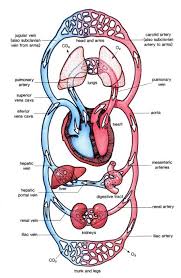
Sample Breakfast:
-2-4 eggs with 2-4 cups green peppers, onion, zucchini, mushrooms (1 serving of protein source to ~1+ cup of vegetables)
-water
Sample snack:
protein shake
1/2 banana
Sample Lunch:
-3-6 oz. meat, 3-6 cups of vegetables
-water
Sample snack:
-carrots+hummus
-water
Sample Dinner:
-3-6 oz. lb meat, 3-6 cups of vegetables
-water
Sample Workouts:
1. 20 squats, 10 push ups (six rounds as fast as possible)
2. 8 lunges, 8 sit ups, 8 overhead presses (repeat for 20 minutes)
Sunday, January 16, 2011
8 Amazing Blogger Weight-Loss Transformations
8 Amazing Blogger Weight-Loss Transformations
There is a trend among these people for weight loss. Diet and Exercise. Read some of their tips. Learn from someone who has gone through it all already.
There is a trend among these people for weight loss. Diet and Exercise. Read some of their tips. Learn from someone who has gone through it all already.
Saturday, January 15, 2011
Thursday, January 13, 2011
Therapeutic Movements for Everyone
Everyone will benefit from these movements and holds, but as a person who sits at a desk for many hours, or spends prolonged periods in a car, performing these will help prevent or ease pain in problem areas.
Sunday, January 9, 2011
Simple healthy meal-spaghetti squash
It is all pretty easy.
Heat tomato puree with cut veggies.
Cook beef with garlic, onions, and seasonings. I added garlic, pepper, salt, oregano, and italian seasoning.
Microwave a squash for about 12 min. Scoop out the seeds. Scrape.
Serve meat sauce over noodle like squash.
Thursday, January 6, 2011
The CURE for chronic diseases (diabetes, heart disease, obseity, HBP, HCHO)
If you are at all concerned about diabetes or health in general these videos are for you.
Even if you are not concerned..this is worth your time! Learn something and share the knowledge.
The 7 keys:
1) Optimize nutrition (minimize sugar, eat more vegetables for fiber and nutrients)
2) Balance your hormones (with optimal nutrition, exercise and low stress)
3) Cool off your inflammation (with optimal nutrition and exercise)
4) Fix your gut (with optimal nutrition and exercise)
5) Enhance detoxification (with optimal nutrition and exercise)
6) Boost your energy metabolism (with optimal nutrition and exercise)
7) Calm your mind (breathe and let go)
Even if you are not concerned..this is worth your time! Learn something and share the knowledge.
The 7 keys:
1) Optimize nutrition (minimize sugar, eat more vegetables for fiber and nutrients)
2) Balance your hormones (with optimal nutrition, exercise and low stress)
3) Cool off your inflammation (with optimal nutrition and exercise)
4) Fix your gut (with optimal nutrition and exercise)
5) Enhance detoxification (with optimal nutrition and exercise)
6) Boost your energy metabolism (with optimal nutrition and exercise)
7) Calm your mind (breathe and let go)
Tuesday, January 4, 2011
Foot Pain
 Foot pain is a common problem for many people for various reasons including, large body mass, bad arch support or weak feet, foot trauma, prolonged standing, improper shoes, and tight hamstrings. Your feet are hurting, don't just neglect them! Whether you are an athlete running 30 miles a week, a high-heeled bank teller, a grandpa, or just overweight, self-management is key to minimizing the pain your are experiencing.
Most often people lack natural movement with their feet. Upon waking, many just stuff their foot into a rigid shoe and that's it. It just sits in there for hours each day. Similar to a cast for broken bones, this immobilization causes weakness of the foot and lower leg and can even negatively change your gait which usually leads to an array of other problems!
Do this first...
Do this too..
-Exercise your feet (move them)...gripping and extending your toes, walking barefoot in sand or anywhere.
-Consider thinner soled, flexible shoes.
-Lose some weight if you are overweight.
-Talk with Dr. Elahi about orthotic shoe inserts.
Thursday, December 30, 2010
Holidays are Over!

Well nearly over. You should have already thought about your health plans for the new year. I am NOT talking about 'I am going to get in shape' type of plan. You need something more concrete! SMART goals. Specific, Measurable, Attainable, Realistic, Timed.
A SMART goal is:
Who/What/When: I am going to lose at least 5 pounds in three months and keep that weight off for the remainder of my life.
Why: I want to maintain and/or improve my health through self management and not have to rely on prescriptions and doctors to fix preventable issues before they become problems. I want to live independently. I want to have confidence, feel younger, move more freely, reduce pain, prevent injury, and reduce illness.
How: I am going to incorporate more physical activity into my life everyday by either parking further, taking the stairs, doing 20 squats a day, dedicating time to strengthening my body or seeing a personal trainer.
Stop waiting around until you are sick and in pain. Manage your life responsibly. Move more, eat healthier, sleep enough, and start feeling better.
Monday, December 20, 2010
5 Factors Behind Exercise Discomfort - Health Key
5 Factors Behind Exercise Discomfort - Health Key
5 Factors Behind Exercise Discomfort
Exercise can be uncomfortable when beginning any new type of training or when getting back in the saddle after a long break.
In last week's column I talked about the discomfort of exercise when starting out and also when competing at the elite level. It's universal; it happens to everyone, and it is not a sign that you are not cut out for exercise. On the contrary, everyone is cut out for exercise. And for the vast expanse of training levels between the two extremes, exercise is a feel-good experience - most of the time.
Even in the middle, however, a little discomfort now and then is not unusual or unexpected. And it's not a sign to quit your fitness program. Instead, I use it as an opportunity to get to know my body better. You can do so as well by breaking down any exercise discomfort you experience into its essential components.
Exercise physiology physician Massimo Testa, M.D., advises athletes to assess exercise discomfort as a combination of five factors:
Meanwhile, if you exercise at an intensity that is 70 percent to 80 percent of the greatest intensity you could possibly do, you (or anyone) will be uncomfortable starting out. After you're experienced training at that intensity, though, you won't be uncomfortable with pushing yourself that hard. That's essentially the basis of interval training: You train at a higher intensity in short bursts (say, a few minutes) interspersed with rests (blocks of time at low-intensity) and soon higher-intensity exercise doesn't hurt quite so much, because your muscles and lungs are getting in better shape.
Your brain also gets in better shape, creating a greater tolerance for exercise. As it learns to manage greater fatigue, your brain will interpret the same signals from your body differently.
Likewise, the signals to your brain (or your interpretation of them) change with your level of motivation. As you exercise, the level of signals coming from your body has a value - a number from 1 to 10, say - but the message from your cerebral cortex modifies that value, given your motivation. A 7 today can feel like a 10 next week if it's raining and you don't want to be out there. Other days, it can feel like a 3, if you're with friends.
This is where the chatter going on in your cerebral cortex is cardinal to your fitness: It's responsible for telling you how long you want to push yourself, either I can't stand this another second! or I can hold this for another 30 seconds. You can control that chatter - and thus the impact of the motivation variable - very effectively.
( Eric Heiden, M.D., a five-time Olympic gold medalist speed skater, is now an orthopedic surgeon in Utah. He co-authored Faster, Better, Stronger: Your Exercise Bible, for a Leaner, Healthier Body in Just 12 Weeks (HarperCollins) with exercise performance physician Max Testa, M.D., and DeAnne Musolf. www.heidenothopaedics.com)
In last week's column I talked about the discomfort of exercise when starting out and also when competing at the elite level. It's universal; it happens to everyone, and it is not a sign that you are not cut out for exercise. On the contrary, everyone is cut out for exercise. And for the vast expanse of training levels between the two extremes, exercise is a feel-good experience - most of the time.
Even in the middle, however, a little discomfort now and then is not unusual or unexpected. And it's not a sign to quit your fitness program. Instead, I use it as an opportunity to get to know my body better. You can do so as well by breaking down any exercise discomfort you experience into its essential components.
Exercise physiology physician Massimo Testa, M.D., advises athletes to assess exercise discomfort as a combination of five factors:
- Your level of fitness
- The intensity of the exercise
- The degree to which you can tolerate the exercise
- Your motivation to keep exercising
- The degree to which you perceive you are suffering
Meanwhile, if you exercise at an intensity that is 70 percent to 80 percent of the greatest intensity you could possibly do, you (or anyone) will be uncomfortable starting out. After you're experienced training at that intensity, though, you won't be uncomfortable with pushing yourself that hard. That's essentially the basis of interval training: You train at a higher intensity in short bursts (say, a few minutes) interspersed with rests (blocks of time at low-intensity) and soon higher-intensity exercise doesn't hurt quite so much, because your muscles and lungs are getting in better shape.
Your brain also gets in better shape, creating a greater tolerance for exercise. As it learns to manage greater fatigue, your brain will interpret the same signals from your body differently.
Likewise, the signals to your brain (or your interpretation of them) change with your level of motivation. As you exercise, the level of signals coming from your body has a value - a number from 1 to 10, say - but the message from your cerebral cortex modifies that value, given your motivation. A 7 today can feel like a 10 next week if it's raining and you don't want to be out there. Other days, it can feel like a 3, if you're with friends.
This is where the chatter going on in your cerebral cortex is cardinal to your fitness: It's responsible for telling you how long you want to push yourself, either I can't stand this another second! or I can hold this for another 30 seconds. You can control that chatter - and thus the impact of the motivation variable - very effectively.
( Eric Heiden, M.D., a five-time Olympic gold medalist speed skater, is now an orthopedic surgeon in Utah. He co-authored Faster, Better, Stronger: Your Exercise Bible, for a Leaner, Healthier Body in Just 12 Weeks
(HarperCollins) with exercise performance physician Max Testa, M.D., and DeAnne Musolf. www.heidenothopaedics.com)Copyright © 2010, Tribune Media Services
Thursday, December 16, 2010
Omega-3s are incredibly potent anti-inflammatory supplements
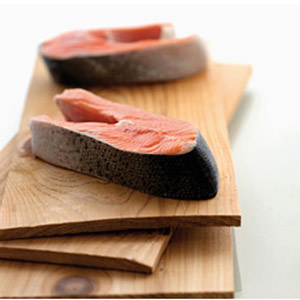 Omega-3s are incredibly potent anti-inflammatory supplements
 Omega 3 fats are essential fats found naturally in oily fish, with highest concentrations in salmon, herring, mackerel, and sardines. A body of scientific evidence which suggests that they reduce cardiovascular disease risk, blood pressure, clot formations, and certain types of fat in the blood.

Friday, December 10, 2010
Why am I so damned hungry? Resting Metabolic Rate -by C. Gonzalez
Here is a great little explanation of your increased hunger with increased strength training, courtesy of C. Gonzalez of CrossFit Hillsboro
As we're all approaching the end of our strength microcycle in our CrossFit classes, many of you by now have got the be thinking "why the hell am I so damed hungry? And how am I supposed to lose weight if I'm eating all of the time?" Valid points. let's hope I know what I'm talking about......

All of you have heard of the crazy buzz word "Metabolism" (MB). What is the metabolism though and what does it mean when people have a "high or low" metabolism? MB is the combination of two reactions in your body: 1) The break down of food to store as fuel and; 2) The use of that same stored energy to use as fuel. Without getting into the details of what affects the MB, like thyroid, hypothalamus, food intake, etc, I'll try to keep this as straight forward as possible.

Strength training places huge metabolic demands on the entire body like the muscles, bones, connective tissues, cardiovascular system, etc. When the body is under the stress of external loads when weight training, it's screaming at you (louder than I do) saying, "What the hell are you doing to me!" Well, those screaming mus-kles are going to need quite a bit of energy to repair themselves. If you were to look at those same mus-kles during a WOD, it would look literally like a war-zone with oozing, tearing, seeping & building going on. Those cells need a load of energy & oxygen to repair themselves, but where do they get that energy from? Like the plant in Little Shoppe of Horror man eating plant says, "FEED ME!"
For the body to build and repair the damaged tissues, it's first going to require lots of oxygen to keep the fire burning (a fire needs oxygen to burn, right?). When your body is in the state of rebuilding itself after a WOD, you are usually at rest, or in active recovery (not working out). During this time your are in what's called your "oxidative" or "aerobic" state where the majority of calories supplied for fuel come from stored, adipose (fat) tissue. This fat has loads of calories and and is a great source of energy for the body to access as fuel, given it's location in and around the damaged muscle/cells. While at rest after a WOD, the body is simply churning through body fat for fuel and this energy source can only be burned when enough oxygen is present. Resting, recovering, sleeping is when you will burn the greatest amount of body fat as a result of your WODs. You will however burn a BIT of body fat (not too much) during our WODs, but it just takes too long to break down fat for quick energy during "Kalsu", "7's" or 300.
When your body is constantly breaking down fat for fuel, repairing damaged cells and performing countless other metabolic reactions, the requirement for calories becomes even higher (double wammy). Your heart beats a little faster to supply oxygen to your muscles, your body temperature rises slightly and your body fat starts singing taps. You'll have to eat more to provide amino acids, carbohydrates most importantly, water to sustain body functions during repair. This is the reason for the incredible success each of you have had as a result of a well designed, periodized, strength & conditioning program.
So, forget what those silly charts say on the treadmills at Globe-O-Gym that tell you to keep your heart rate at 100 BPM if you want to lose body fat. Instead, pull the tether cord, get off the machine and pick up a barbell for some deadlifts, cleans and snatches.
 So, don't be afraid to eat something even though you're trying to lose body fat. If you want to lose more, eat more, and CrossFit too.
As we're all approaching the end of our strength microcycle in our CrossFit classes, many of you by now have got the be thinking "why the hell am I so damed hungry? And how am I supposed to lose weight if I'm eating all of the time?" Valid points. let's hope I know what I'm talking about......

All of you have heard of the crazy buzz word "Metabolism" (MB). What is the metabolism though and what does it mean when people have a "high or low" metabolism? MB is the combination of two reactions in your body: 1) The break down of food to store as fuel and; 2) The use of that same stored energy to use as fuel. Without getting into the details of what affects the MB, like thyroid, hypothalamus, food intake, etc, I'll try to keep this as straight forward as possible.

Strength training places huge metabolic demands on the entire body like the muscles, bones, connective tissues, cardiovascular system, etc. When the body is under the stress of external loads when weight training, it's screaming at you (louder than I do) saying, "What the hell are you doing to me!" Well, those screaming mus-kles are going to need quite a bit of energy to repair themselves. If you were to look at those same mus-kles during a WOD, it would look literally like a war-zone with oozing, tearing, seeping & building going on. Those cells need a load of energy & oxygen to repair themselves, but where do they get that energy from? Like the plant in Little Shoppe of Horror man eating plant says, "FEED ME!"
For the body to build and repair the damaged tissues, it's first going to require lots of oxygen to keep the fire burning (a fire needs oxygen to burn, right?). When your body is in the state of rebuilding itself after a WOD, you are usually at rest, or in active recovery (not working out). During this time your are in what's called your "oxidative" or "aerobic" state where the majority of calories supplied for fuel come from stored, adipose (fat) tissue. This fat has loads of calories and and is a great source of energy for the body to access as fuel, given it's location in and around the damaged muscle/cells. While at rest after a WOD, the body is simply churning through body fat for fuel and this energy source can only be burned when enough oxygen is present. Resting, recovering, sleeping is when you will burn the greatest amount of body fat as a result of your WODs. You will however burn a BIT of body fat (not too much) during our WODs, but it just takes too long to break down fat for quick energy during "Kalsu", "7's" or 300.
When your body is constantly breaking down fat for fuel, repairing damaged cells and performing countless other metabolic reactions, the requirement for calories becomes even higher (double wammy). Your heart beats a little faster to supply oxygen to your muscles, your body temperature rises slightly and your body fat starts singing taps. You'll have to eat more to provide amino acids, carbohydrates most importantly, water to sustain body functions during repair. This is the reason for the incredible success each of you have had as a result of a well designed, periodized, strength & conditioning program.
So, forget what those silly charts say on the treadmills at Globe-O-Gym that tell you to keep your heart rate at 100 BPM if you want to lose body fat. Instead, pull the tether cord, get off the machine and pick up a barbell for some deadlifts, cleans and snatches.

Thursday, December 9, 2010
Cressey Performance Foam Roller Series
If you have a foam roller and lacrosse ball, try these self massage techniques on your tight areas. It is definitely less enjoyable than a massage, but it is the next best thing. While you are at it, strengthen the opposing muscles.
Tonic Muscles Prone to Tightness or Shortness | Phasic Muscles Prone to Weakness or Inhibition |
Gastroc-Soleus (calves) Tibialis Posterior (calves) Hip Adductors (inner thighs) Hamstrings (back of thighs) Rectus Femoris (front of thigh) Iliopsoas (front of hip) Tensor Fascia Lata (top/side of hip) Piriformis (deep butt) Thoraco-lumbar extensors (mid/low back) Quadratus Lumborum (deep back/side) Pectoralis Major (chest) Upper Trapezius (upper back) Levator Scapulae (upper back/neck) Scalenes (side of neck) Sternocleidomastoid (front/side of neck) Upper limb flexors (front of shoulders/biceps) | Peroneus Longus, Brevis (outside of calf) Tibialis Anterior (shin) Vastus Medialis, Lateralis (thigh) Gluteus Maximus, Medius, Minimus (butt) Rectus Abdominus (abs) Serratus Anterior (ribs) Rhomboids (back) Lower Trapezius (middle back) Deep neck flexors (neck) Upper limb extensors (triceps, lats) |
Tuesday, November 23, 2010
The 12 Types of Emotional Hunger
The 12 Types of Emotional Hunger
By: Dr. Roger Gould, M.D.
Below are the 12 types of emotional hunger that fuel emotional eating. In order to lose weight for life, you will have to conquer all 12 types. Look over the list -- which type of emotional hunger derails your diet?
Type 1. Dulling The Pain With The Food.
If you get really hungry when you feel angry, depressed, anxious, bored, or lonely, you suffer from Type 1 emotional hunger, and you use food to dull the pain that these emotions cause.
Type 2. Sticks And Stones May Break Your Bones, But Cake Won't Heal What Hurts You.
According to Dr. Gould and Mastering Food, if you react by getting hungry when others talk down to you, take advantage of you, belittle you or take you for granted, then you suffer from Type 2 emotional hunger. You eat to avoid confrontation.
Type 3. A Full Heart Fills An Empty Belly.
If you crave food when you have tension in your close relationships, you suffer from Type 3 emotional hunger. You eat to avoid feeling the pain of rejection or anger.
Type 4. Hate Yourself, Love Your Munchies.
If you tend to become hypercritical of yourself, if you label yourself "stupid," "lazy," or "a loser," you have Type 4 emotional hunger. You eat to "stuff down" self-doubts.
Type 5. Secret Desires Have No Calories.
If your hunger gets activated because your intimate relationships don't satisfy some basic need like trust or security, you suffer from Type 5 emotional hunger and you use food to try to fill the gap, according to Dr. Gould and Mastering Food,
Type 6. Forty Gulps And The Well Is Still Empty.
If you eat to make up for the deprivation you experienced as a child, you have Type 6 emotional eating.
Type 7. It's My Pastry, and I'll Eat If I Want To.
If you eat to assert your independence because you don't want anyone telling you what to do, you have Type 7 emotional hunger.
Type 8. I Can't Come To Work Today--I'm Eating
According to Dr. Gould and Mastering Food, if your appetite kicks in when you're faced with new challenges--if you use food to avoid rising to the test, or to insulate yourself from the fear of failure--you have Type 8 emotional hunger.
Type 9. Aroused by Aromas, Not by the Chef.
If you stuff your face in order to avoid your sexuality-either to stay overweight so that nobody desires you or to hide from intimate encounters--you suffer from Type 9 emotional hunger.
Type 10. I'll Beat You With this Éclair.
Emotional eaters often eat to pay back those who have hurt them, often in the distant past. They use their bodies as battlegrounds for working out old resentments. If you do this, you're really battling type 10 emotional hunger
Type 11. Peter Pan and the Peanut Butter Cookie.
If you eat to make yourself feel carefree, like a child, you have Type 11 emotional hunger. You eat to keep yourself from facing the challenges of growing up.
Type 12. That Stranger In Shorts Wearing Your Face.
If you overeat because you fear getting thin, either consciously or unconsciously, you have Type 12 emotional hunger.
Wednesday, November 10, 2010
Subscribe to:
Posts (Atom)